Concrete Driveways for Busy Alexandria Households
Request an estimate for your driveway
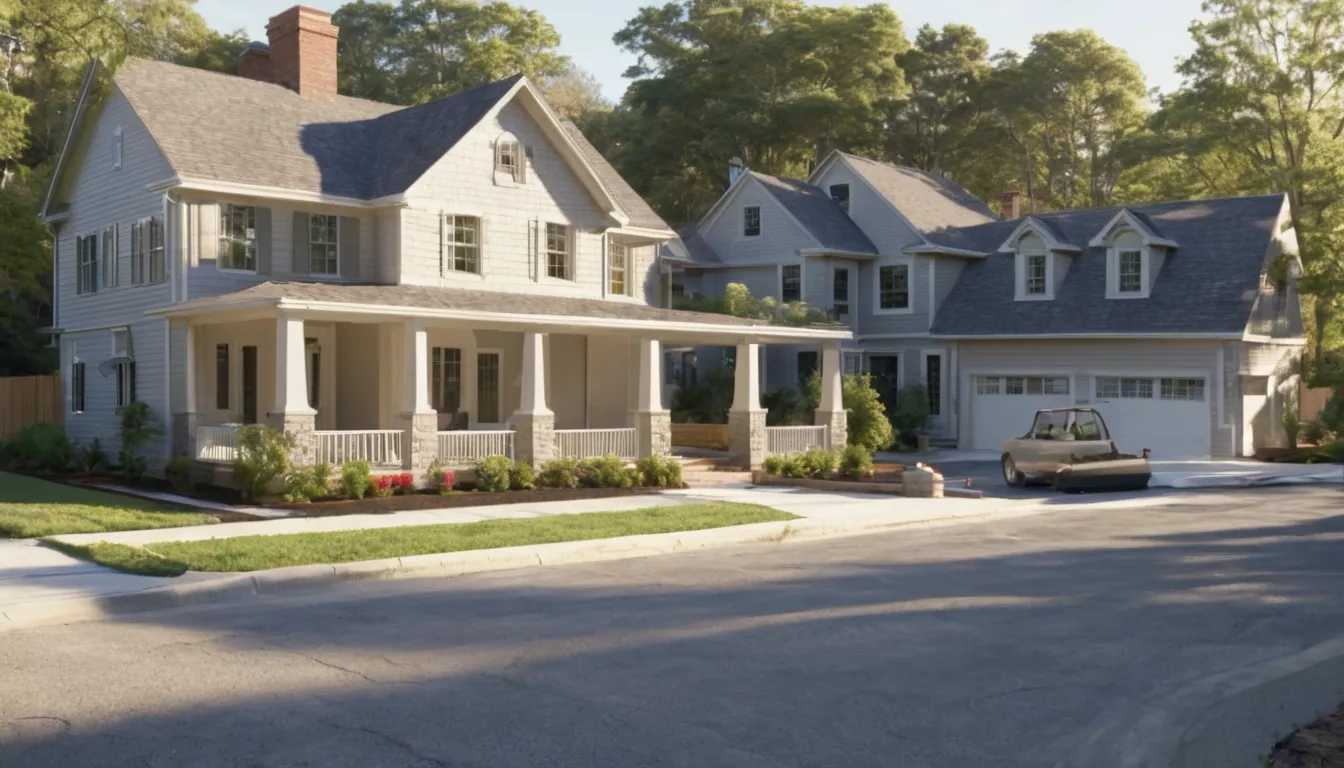
A new driveway is a big job, but it does not have to take over your life. Fingerspeoples Concrete is a referral service for homeowners in the Alexandria area. It does not pour or finish concrete. It matches your project with independent providers in its network.
The path is short. You share photos, rough measurements and a few notes. A local provider reviews them and gives you a written quote. You compare, ask questions and choose. Providers set their own schedules, so ask early about parking, access and timing. Photos, notes, quotes. That is how everyone stays on the same page.
Short answer: is it time for a new driveway?
If the slab is sinking, heaving or crumbling in many spots, yes. Patching only buys a little time. Get a written estimate before the next freeze-thaw winter makes things worse.
This page is about new concrete. Fingerspeoples Concrete is a referral service. It does not pour anything. It connects you with independent providers in our network.
Trip hazards come first
Raised slabs and sharp edges can trip a child, a delivery driver or you. Mark them with chalk. Take photos. Park away from the worst spots until a provider has a look.
Signs the slab is done
Look for these:
- Cracks wider than a pencil, or cracks running edge to edge
- Slabs sitting at different heights
- Flaking, pitted surface after salt and ice
- Water pooling after rain
- Crumbling edges where tires turn
- Patches on top of patches
Three or more of these? Replacement is worth pricing.
Repair or replace?
Concrete driveway repair makes sense for a few hairline cracks or one chipped corner. It does not make sense when damage is spread across the whole surface. Ask each provider why they suggest one or the other.
One caution. A crack that runs toward the house may point to soil or drainage trouble. In that case, foundation repair experts may need to look before any new pour. A driveway provider can tell you what they see and what to ask next.
What a new driveway project includes
Most jobs follow the same order. Old slab out. Soil graded. Gravel base laid and packed. Forms set. Reinforcement placed. Concrete poured, finished and cut with joints. Then curing and cleanup. Your written quote should list each step. If one is missing, ask.
Plan around daily life
A driveway job touches your whole routine. Ask these before you agree to a date:
- Which days will the driveway be blocked?
- Where do we park in the meantime?
- Can the school run and work commute still happen?
- How early do crews usually start?
Fresh concrete often needs a few days before foot traffic and about a week before cars. Providers set their own timing, so get it in writing.
Size, thickness and finish
Measure the width and length. Add room for turning and for a second car if you might need it. Four inches of thickness is common for cars. Five or six inches suits heavy trucks and vans.
A broom finish gives grip in rain and ice. A smooth finish looks neat but can be slick. Ask about control joints too. They guide where concrete cracks, so cracks stay tidy.
Built for four seasons
Humid summers, nor'easters and freeze-thaw winters are hard on concrete flatwork. Ask providers about the mix, the base depth and the slope. Water should run away from the garage and the house, which matters for colonial and split-level homes with basements. Ask when you can first use deicing salt. Many providers say to wait through the first winter.
Permits and the street apron
The apron is the strip where your driveway meets the street or sidewalk. Often the city or town owns it. It may have its own rules, thickness and permit. Ask the provider who pulls the permit and who pays the fee. Check any homeowners association rules too. Do this before the work starts, not after.
Choosing a concrete provider
Compare quotes line by line. A good written quote lists:
- Total square footage
- Thickness and base depth
- Reinforcement type
- Finish and joints
- Removal and haul-away
- Start date and expected duration
- Payment schedule
Ask each provider about their own insurance and any licensing your area requires. Do not pick on price alone. The cheap-looking quote may leave out the base work.
Photos, notes, quotes
Get organized early. Take wide photos of the whole driveway and close-ups of damage. Note the date. Measure the length and width. Keep every quote and message in one folder.
Some policies may cover sudden damage, such as a tree falling on a slab. Wear and age are usually not covered. Check your policy. Providers can often help document damage for a claim.
Pick the season
Concrete likes mild weather. Spring through early fall is the usual window. Good providers book up, so ask early. Cold snaps and heavy rain can push a date back. Build in some slack.
After the pour
Keep cars, bikes and pets off until the provider says it is safe. Mark the edges so visitors do not step on them. Ask about sealing and when to do it. Take photos of the finished job and keep the paperwork, including any warranty terms the provider offers.
Ready to start?
Send your photos and measurements. Compare written quotes. Pick the provider who explains the job clearly and fits your schedule.
What's Included
Old slab removal
Cracked concrete is broken up, hauled away and the ground below is checked.
Base and grading
A packed gravel base and proper slope help water run off and slabs stay level.
Forms and reinforcement
Forms shape the edges. Rebar or mesh is set before the concrete goes in.
Pour, finish and cure
Concrete is poured, finished, jointed and left to cure before you drive on it.
Typical concrete driveway costs in the U.S.
Prices vary by size, site access, thickness and local rates. These are typical U.S. ranges only. Always get a written quote for your own driveway.
| Item | Typical range | Notes |
|---|---|---|
| Single-car driveway (about 300 sq ft) | $2,000 – $4,500 | Plain broom finish, standard thickness |
| Two-car driveway (about 600 sq ft) | $4,000 – $9,000 | Size is the biggest price driver |
| Old slab removal and haul-away | $1,000 – $3,000 | Depends on thickness and disposal fees |
| Base prep and grading | $500 – $2,000 | Higher for sloped or soft ground |
| Extra thickness or rebar | $500 – $2,000 | Useful for heavy trucks and vans |
| Permit and street apron work | $100 – $1,500 | Rules and fees differ by town |
How It Works
Share your project
Describe the driveway, add photos and rough measurements, and note any timing limits.
Get matched with a provider
Fingerspeoples Concrete connects you with an independent local provider in our network who handles driveways.
Compare written quotes
Check scope, thickness, finish, permits and schedule. Ask questions until the quote is clear.
Choose and set a date
Pick the provider, agree on timing and parking, and keep all your paperwork together.
Why Call Fingerspeoples Concrete
Less hassle up front
Share your project once. Fingerspeoples Concrete matches it with independent local providers in our network.
Clear notes
Photos, measurements and written quotes keep you and the provider talking about the same job.
Built for busy homes
Ask about parking, access and timing early so the work fits school runs and weekends.
Your choice
You compare quotes and decide. Fingerspeoples Concrete only makes the introduction and never does the work.
Other Services
Need concrete driveways in Alexandria?
- Independent local providers, matched to your job
- Written quotes to compare
- Photos and notes kept organized
- No obligation to hire
Concrete Driveways FAQ
How long does a concrete driveway last?
A well-built concrete driveway often lasts decades, but results vary. Base prep, thickness, drainage, winter salt use and local weather all play a part. Ask providers what they do to help your slab last.
How long before I can park on a new concrete driveway?
Foot traffic is often fine after a day or two. Cars usually wait about a week, and heavy trucks longer. Providers set their own timing, so ask for the exact dates in writing.
Do I need a permit to replace my driveway?
Often yes, especially if the work touches the street apron or sidewalk. Rules differ by town. Ask your provider who handles the permit, and check with your local building office or homeowners association.
Reach a local provider
Ready to plan new concrete? Request a callback or request an estimate. Share your project details and a local provider can follow up with questions.
No obligation